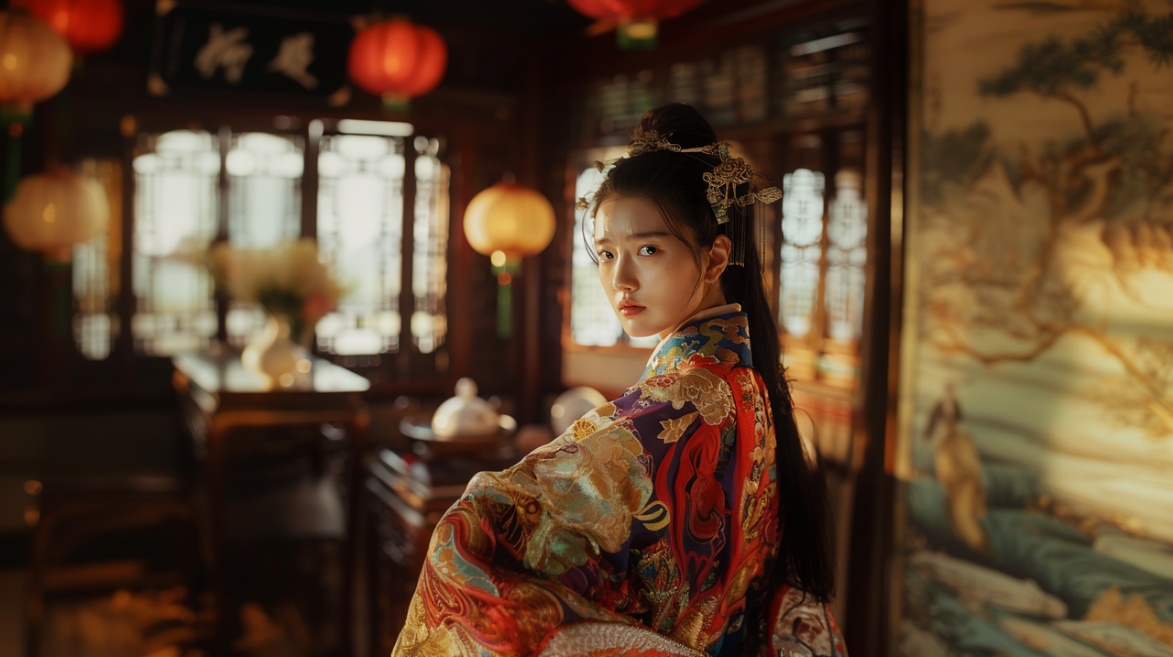
The Rise of AI Actors: What Italian Filmmakers Need to Know
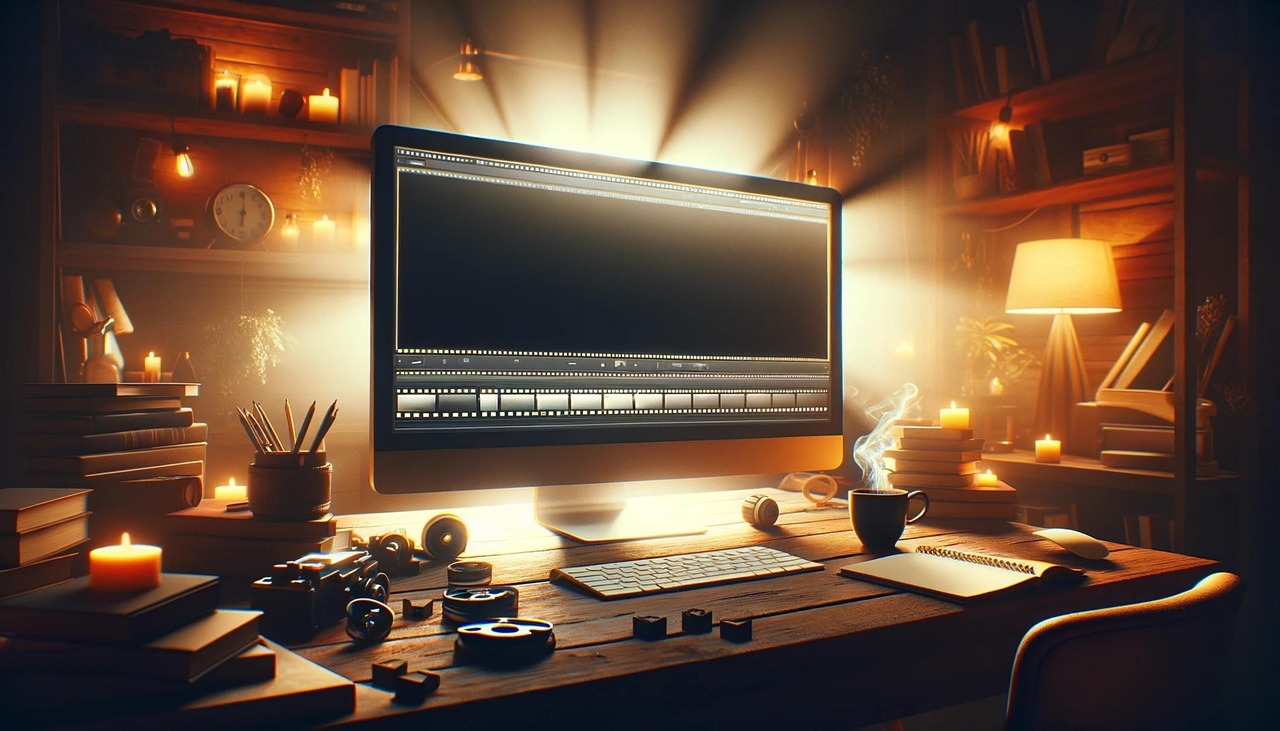
AI-generated performers are becoming an increasingly practical and creative option. For Italian filmmakers balancing artistic integrity with budget constraints, this technology presents new possibilities.
The idea of actors powered by artificial intelligence may sound like a concept drawn from science fiction. But in today's production landscape, AI-generated performers are becoming an increasingly practical and creative option. For Italian filmmakers balancing artistic integrity with budget constraints, this technology presents new possibilities for storytelling and scale.
What Are AI Actors, and How Do They Work?
AI actors are digital characters created using machine learning, motion capture, voice synthesis, and generative image tools. They can be fully virtual or seamlessly integrated into live-action footage. Their expressions, gestures, and voices are controlled by algorithms trained to perform emotional or culturally specific behaviors.
These digital performers are not limited by age, schedule, or language. They can be endlessly adapted, reused, or localized, making them a versatile asset across genres and markets.
Creative Freedom Without Casting Constraints
For directors and producers, AI actors offer both flexibility and control. Filmmakers can design characters with specific traits, adjust performances in post-production, and experiment with styles that may not be feasible with human casts—especially in fantasy, sci-fi, or historical epics.
Used thoughtfully, AI performers can support creative ambitions rather than replace real actors. They work especially well in scenes requiring visual effects, large-scale background crowds, or performances in multiple languages.
Cost Efficiency for Independent and Studio Productions
Italian cinema has long been known for creating powerful films on modest budgets. With AI actors, production teams can reduce costs tied to casting, travel, shooting schedules, and retakes. Voice synthesis and automated dubbing also minimize localization expenses.
These efficiencies don't have to come at the expense of artistic quality. Directors retain control over pacing, tone, and scene composition. The technology simply helps deliver that vision with greater speed and affordability.
Ethical and Legal Considerations in Italian Contexts
With new technology comes responsibility. The use of AI likenesses—especially those modeled after real individuals—requires clear consent, licensing, and transparent usage policies. In Italy, where cultural icons and historic narratives often take center stage, creators must be careful not to misrepresent people, heritage, or regions through synthetic performances.
Ethical frameworks and rights management systems are becoming essential. Industry platforms like FizzDragon are building tools that allow creators to manage these responsibilities while still taking advantage of what AI performers can offer.
A New Asset in Italy's Creative Toolkit
AI actors are not replacing human performers. They are expanding what is possible, especially for smaller productions and experimental projects. As the technology matures, Italian filmmakers can use it to revisit complex historical stories, develop multilingual films, and compete internationally with greater efficiency.
For a country that has always valued cinematic expression, the rise of AI actors is less about disruption and more about evolution. It's a new addition to the director's toolkit—one that offers both practical gains and creative potential.
More from FizzDragon
AI Meets Cinema: How AIGC is Redefining Film Production in Italy
Venice Film Festival 2025: The Future of AI-Generated Films on the Red Carpet

From Cinecittà to Cyberspace: Why Italy is Ready for AI-Generated Storytelling